The Impressionist Trail: Retracing Monet's Journey from Paris to Normandy
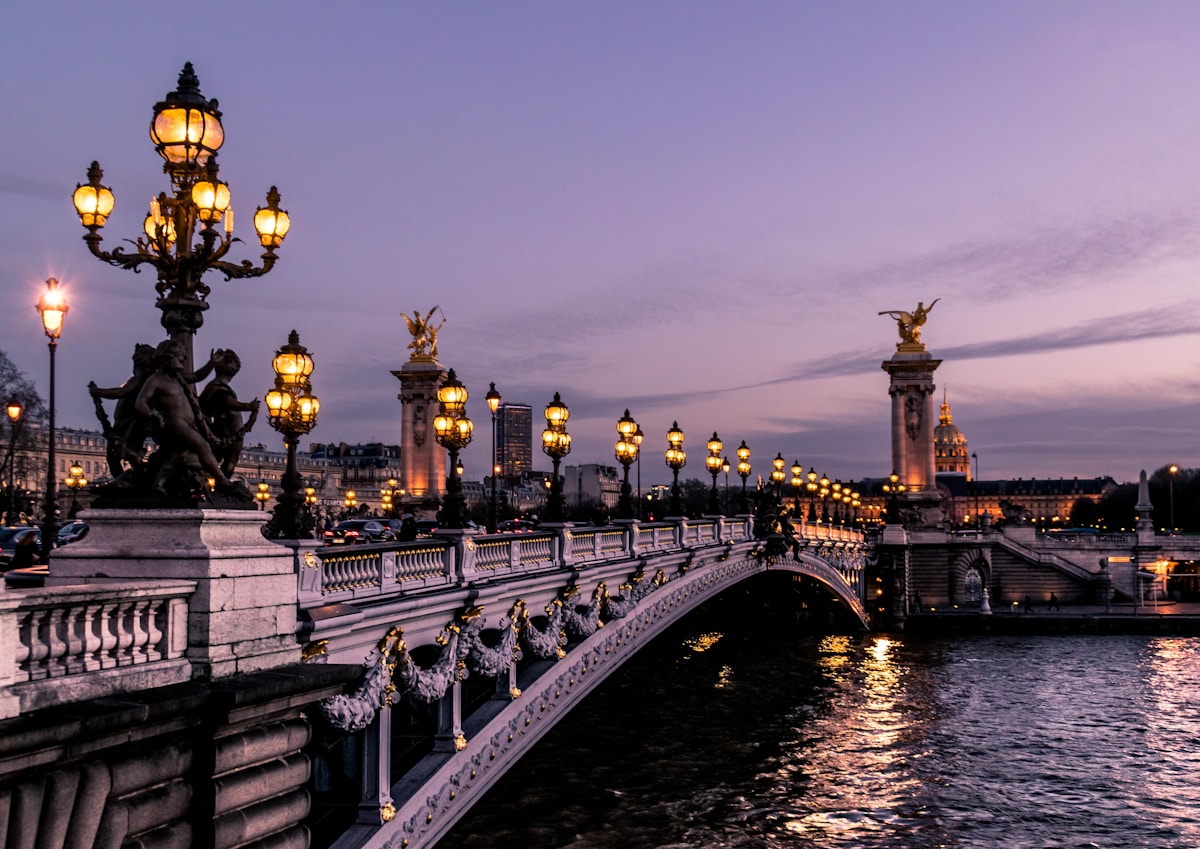
The landscapes that transformed Western painting lie just a few hours from central Paris. The Impressionist Trail connects the studios of Montmartre — where Renoir painted dancers and Degas captured ballet rehearsals — to the Norman coast where Monet chased light across water, stone, and sky for half a century.
Starting at the Musée d'Orsay
No Impressionist pilgrimage can begin anywhere other than the Musée d'Orsay. Housed in a former railway station that seems designed to catch the same fleeting light the Impressionists pursued, the museum holds the world's deepest collection of Impressionist painting. Monet's cathedral series, Renoir's sun-dappled gatherings, Degas's dancers — they're all here, and seeing them before visiting the places they depict transforms both the paintings and the landscapes.
Giverny: Where Art Became Garden
Monet's house and gardens at Giverny represent something rare in art history: a landscape created by an artist specifically to be painted. The water garden with its Japanese bridge, the flower gardens blazing with colour from April to October, the green-shuttered house — everything here was designed as a living canvas. Walking through it, you understand that Monet wasn't simply recording nature; he was collaborating with it.
The Norman Coast
The trail continues to Rouen, where Monet painted the cathedral façade thirty times in different light conditions, then to Honfleur, the harbour town where Boudin first persuaded the young Monet to paint outdoors. The journey ends at Étretat, where the dramatic chalk arches plunging into the sea inspired some of Monet's most powerful seascapes.